Air Freight vs Sea Freight: Choosing the Right Logistics Strategy for Your Global Trade
Air Freight vs Sea Freight: Choosing the Right Logistics Strategy for Your Global Trade
Air Freight vs. Sea Freight: A Comprehensive Guide to Logistics Decision-Making
Understanding the differences between air and ocean freight is essential for any business engaged in international trade. The choice between these two modes of transport directly impacts supply chain costs, inventory management, and market responsiveness. This guide outlines the key considerations for selecting the most appropriate logistics method.
1. Air Freight: Optimizing for Time and Security
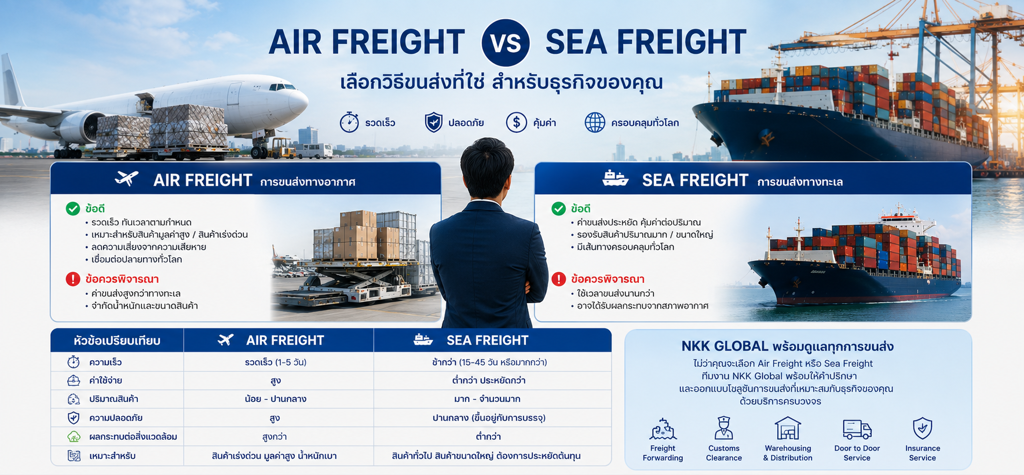
Air freight is primarily utilized for time-sensitive or high-value goods. By leveraging the speed of air travel, businesses can significantly shorten lead times and accelerate the cash-to-cash cycle.
Key Characteristics:
• Transit Speed: Typically ranges from 1 to 7 days, making it the most efficient choice for urgent shipments.
• Predictability: Airlines adhere to strict schedules, providing high reliability for arrival times.
• Safety and Handling: Stringent security measures at airports and reduced handling stages decrease the likelihood of theft or damage.
• Insurance Implications: Due to higher security and shorter transit times, insurance premiums for air freight are generally lower than those for sea freight.
2. Sea Freight: Optimizing for Volume and Economy
Sea freight is the foundation of global trade, particularly for high-volume and non-perishable goods. It is the most economical solution for large-scale logistics operations.
Key Characteristics:
• Cost-Efficiency: The cost per unit is substantially lower, especially for Full Container Load (FCL) shipments.
• Capacity: Ocean vessels can accommodate heavy, oversized, and bulky cargo that would be impractical or impossible to transport by air.
• Scalability: Sea freight is ideal for businesses managing large-scale inventory replenishment, allowing for better cost control in long-term logistics planning.
• Environmental Impact: Sea freight is more fuel-efficient per ton of cargo compared to air transport, resulting in a lower carbon footprint.
Key Decision Factors
When evaluating the optimal mode of transport, businesses should consider the following variables:
• Cargo Type: Perishables, electronics, or medical supplies often require the speed of air freight. In contrast, heavy machinery, raw materials, and non-urgent inventory are better suited for sea freight.
• Cost vs. Speed: The "Total Cost of Ownership" (TCO) should be calculated. While air freight has higher direct freight costs, it may reduce inventory holding costs and prevent stock-outs. Conversely, sea freight saves on freight costs but requires more robust inventory planning due to longer lead times.
• Volatility: Air freight rates tend to fluctuate based on fuel prices and demand, while sea freight rates are often influenced by port congestion, container availability, and seasonal shipping trends.
Lastest Knowledge Article
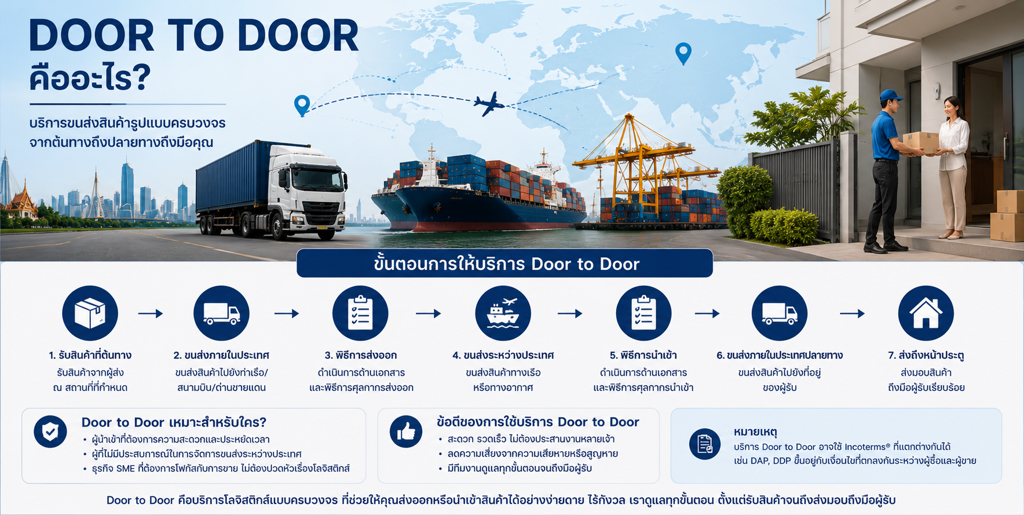
What Is Door to Door Shipping?
20 July 2026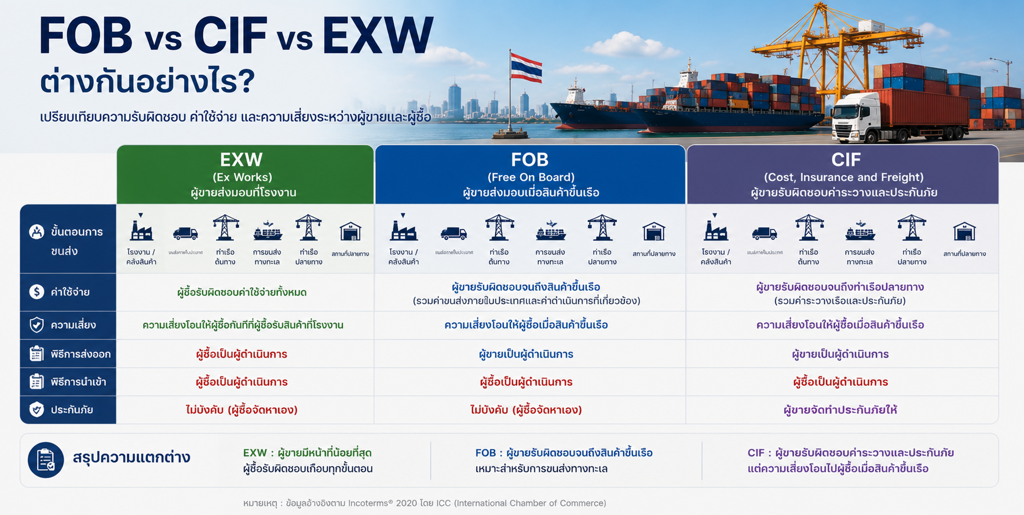
FOB vs CIF vs EXW: What's the Difference?
20 July 2026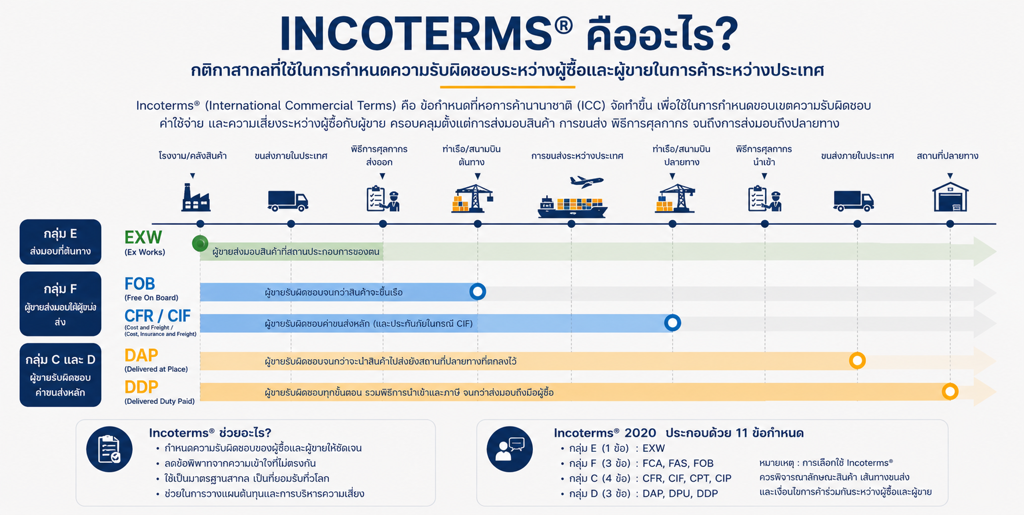
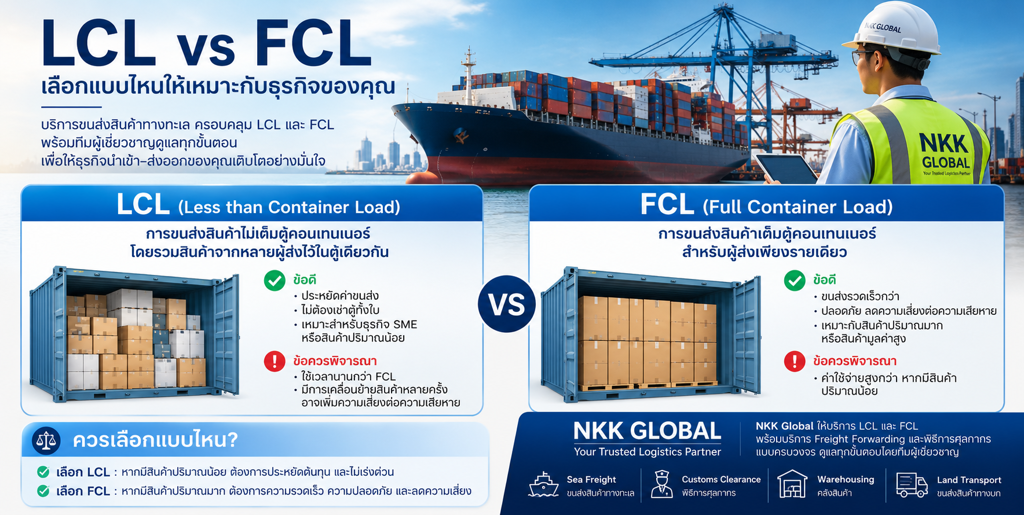
LCL vs FCL
20 July 2026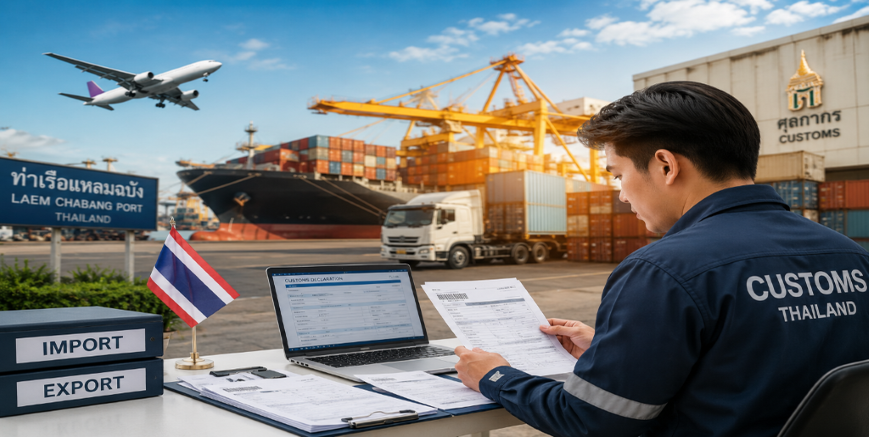
What is a Customs Broker?
20 July 2026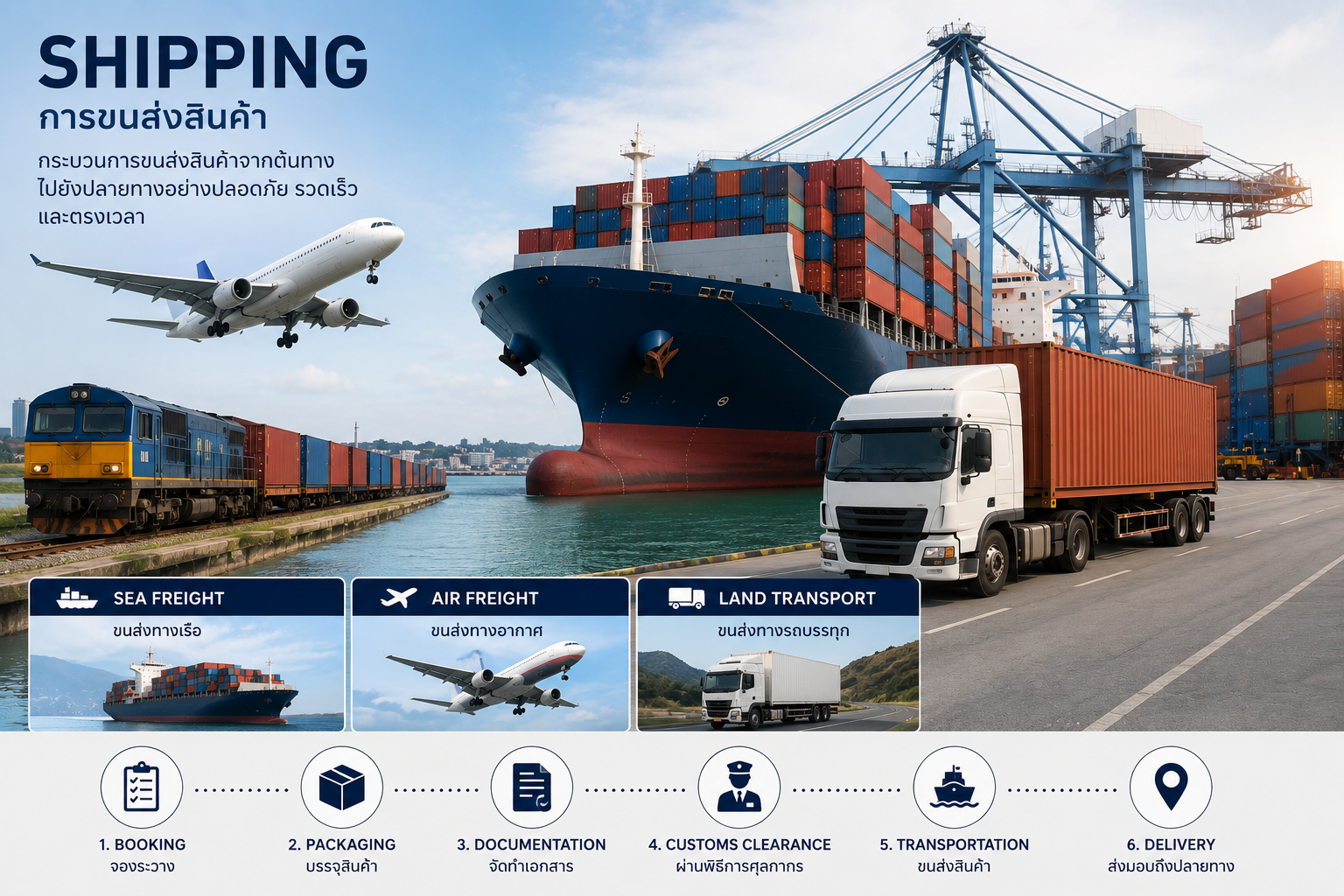
What Is Shipping?
19 July 2026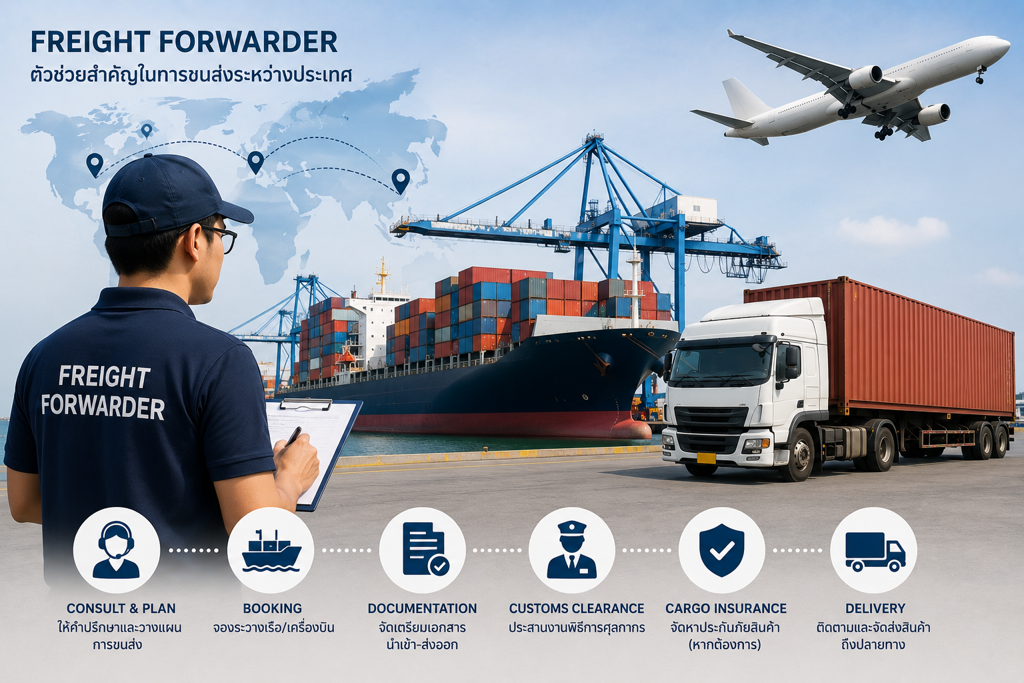
What Is a Freight Forwarder?
19 July 2026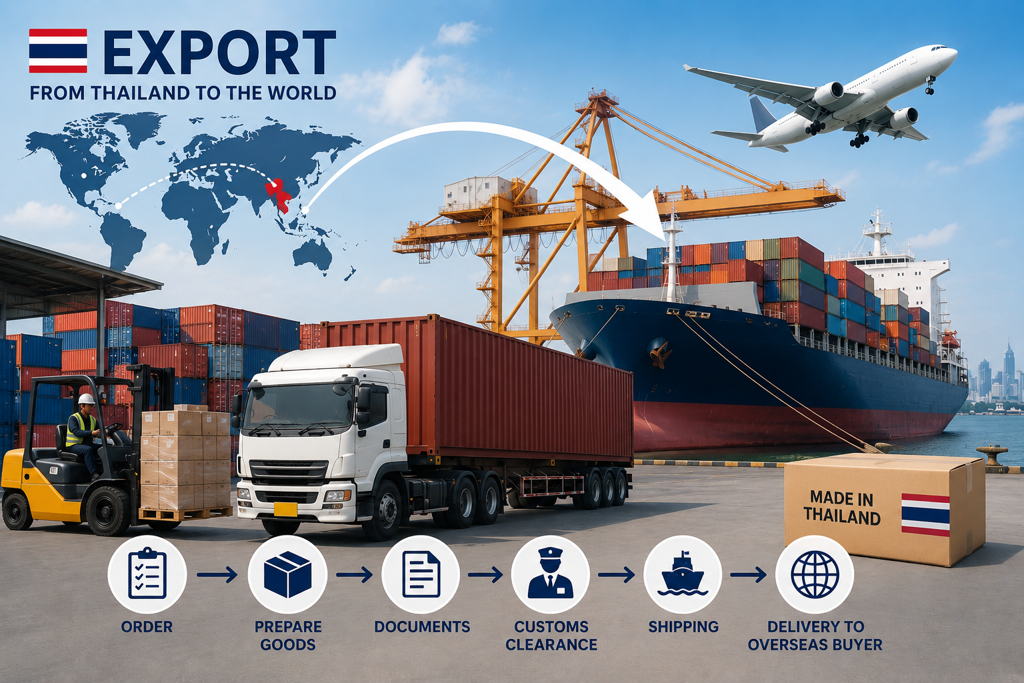
What Is Exporting?
19 July 2026