LCL vs FCL
LCL vs FCL
LCL vs FCL: Which Shipping Method Is Right for Your Business?
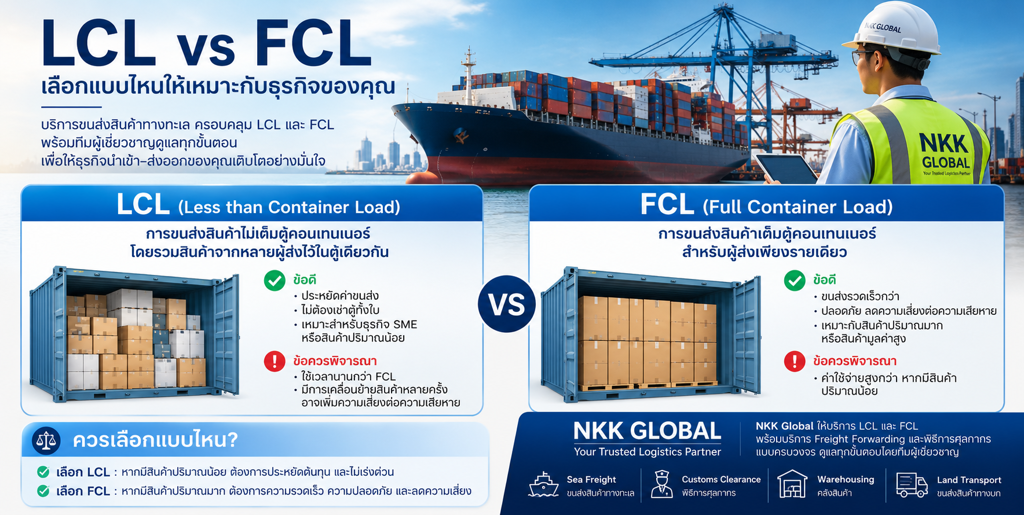
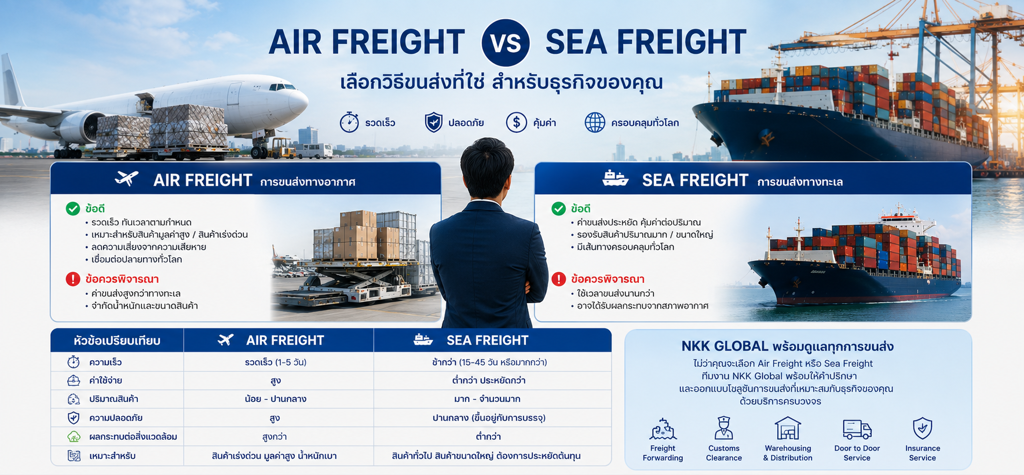
When shipping goods internationally by sea, businesses typically choose between LCL (Less than Container Load) and FCL (Full Container Load). The right option depends on shipment size, budget, and delivery requirements.
LCL (Less than Container Load)
LCL allows multiple shippers to share one container, making it an economical solution for smaller shipments.
Advantages
- Lower shipping costs for small cargo
- No need to book an entire container
- Ideal for SMEs and low-volume imports
Considerations
- Longer transit time due to cargo consolidation and deconsolidation
- More cargo handling may increase the risk of damage
FCL (Full Container Load)
FCL means one shipper uses an entire container, regardless of whether it is fully loaded.
Advantages
- Faster transit and customs processing
- Better cargo security
- Ideal for large shipments or high-value goods
Considerations
- Higher cost for small shipment volumes
Which Should You Choose?
Choose LCL if your shipment is small and cost savings are your priority. Choose FCL if you need faster delivery, greater security, or regularly ship large volumes.
NKK Global provides comprehensive LCL and FCL ocean freight services, customs clearance, and end-to-end logistics solutions. Our experienced team can help you select the most efficient shipping option for your business.
Lastest Knowledge Article
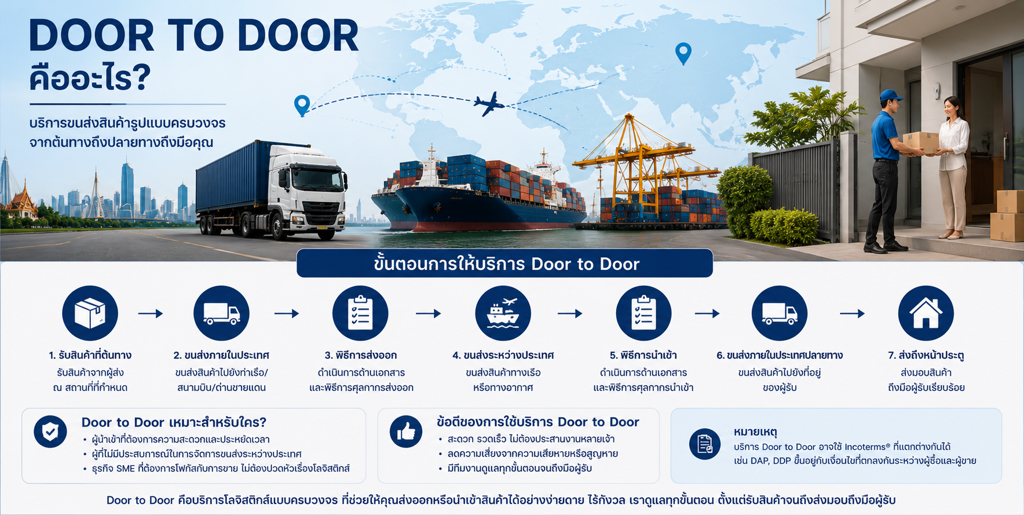
What Is Door to Door Shipping?
20 July 2026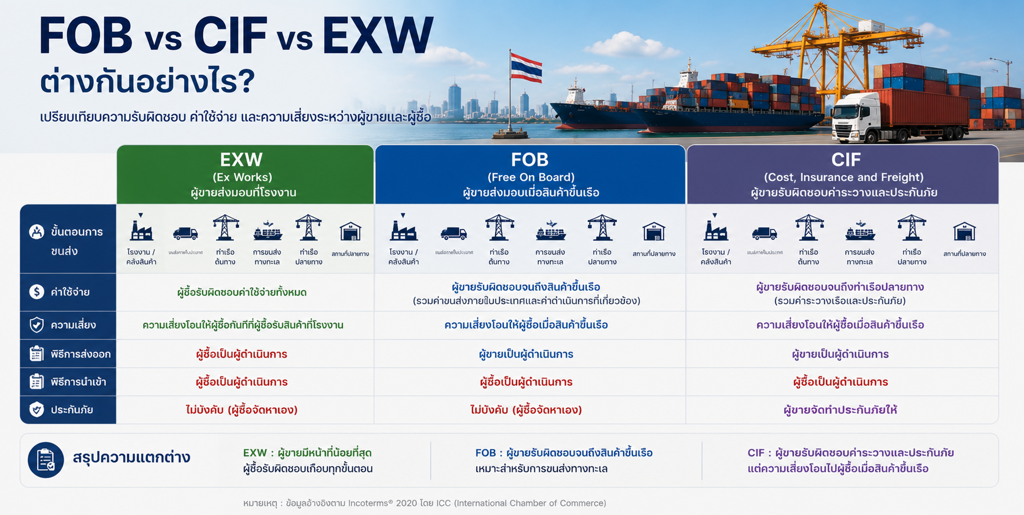
FOB vs CIF vs EXW: What's the Difference?
20 July 2026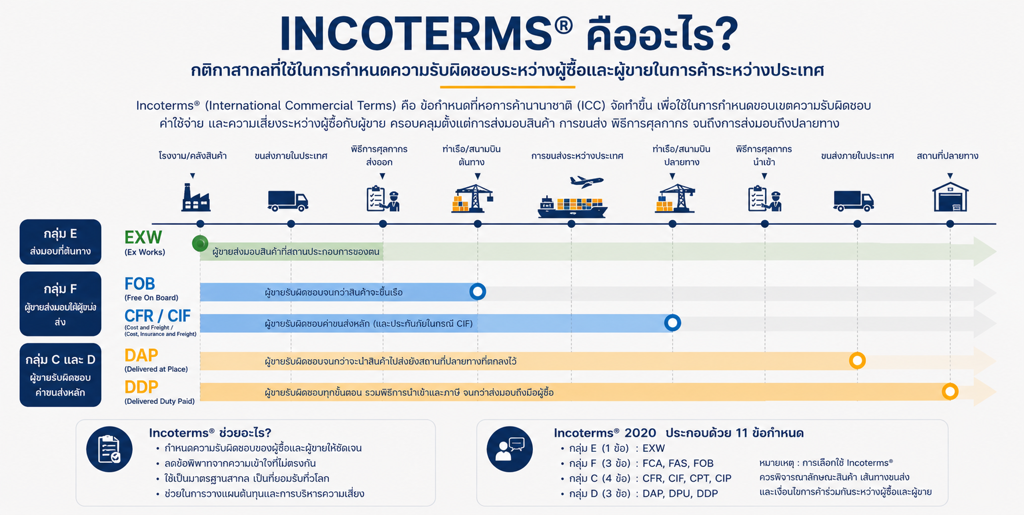
LCL vs FCL
20 July 2026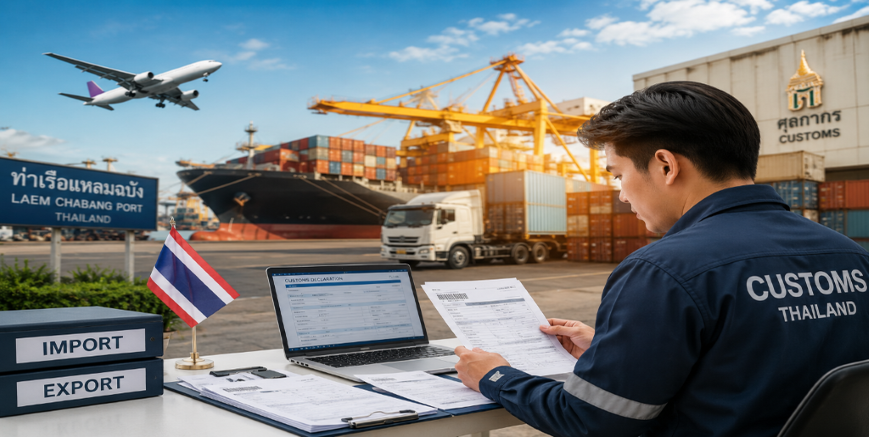
What is a Customs Broker?
20 July 2026
What Is Shipping?
19 July 2026
What Is a Freight Forwarder?
19 July 2026
What Is Exporting?
19 July 2026