Import Process to Thailand: Step-by-Step Guide
Import Process to Thailand: Step-by-Step Guide
Import Process to Thailand: Step-by-Step Guide
Importing goods into Thailand involves a series of coordinated procedures among importers, exporters, freight forwarders, carriers, customs authorities, and other government agencies. Understanding each step helps businesses minimize delays, reduce costs, and comply with Thai import regulations.
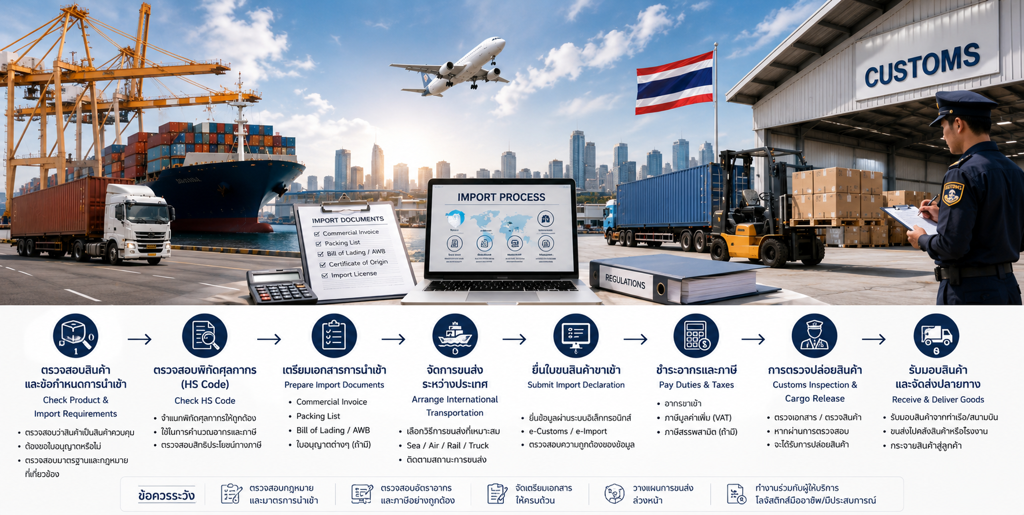
Step 1: Verify Import Requirements
Before placing an order, importers should determine whether the goods:
- Require an import license
- Are subject to technical standards
- Need approval from regulatory authorities
- Are eligible for preferential tariffs under Free Trade Agreements (FTAs)
Certain products, such as food, cosmetics, pharmaceuticals, chemicals, and electrical products, may require additional approvals before importation.
Step 2: Determine the HS Code
The Harmonized System (HS) Code determines:
- Import duty rates
- VAT
- Trade measures
- FTA eligibility
Accurate HS classification is essential for customs compliance.
Step 3: Prepare Import Documents
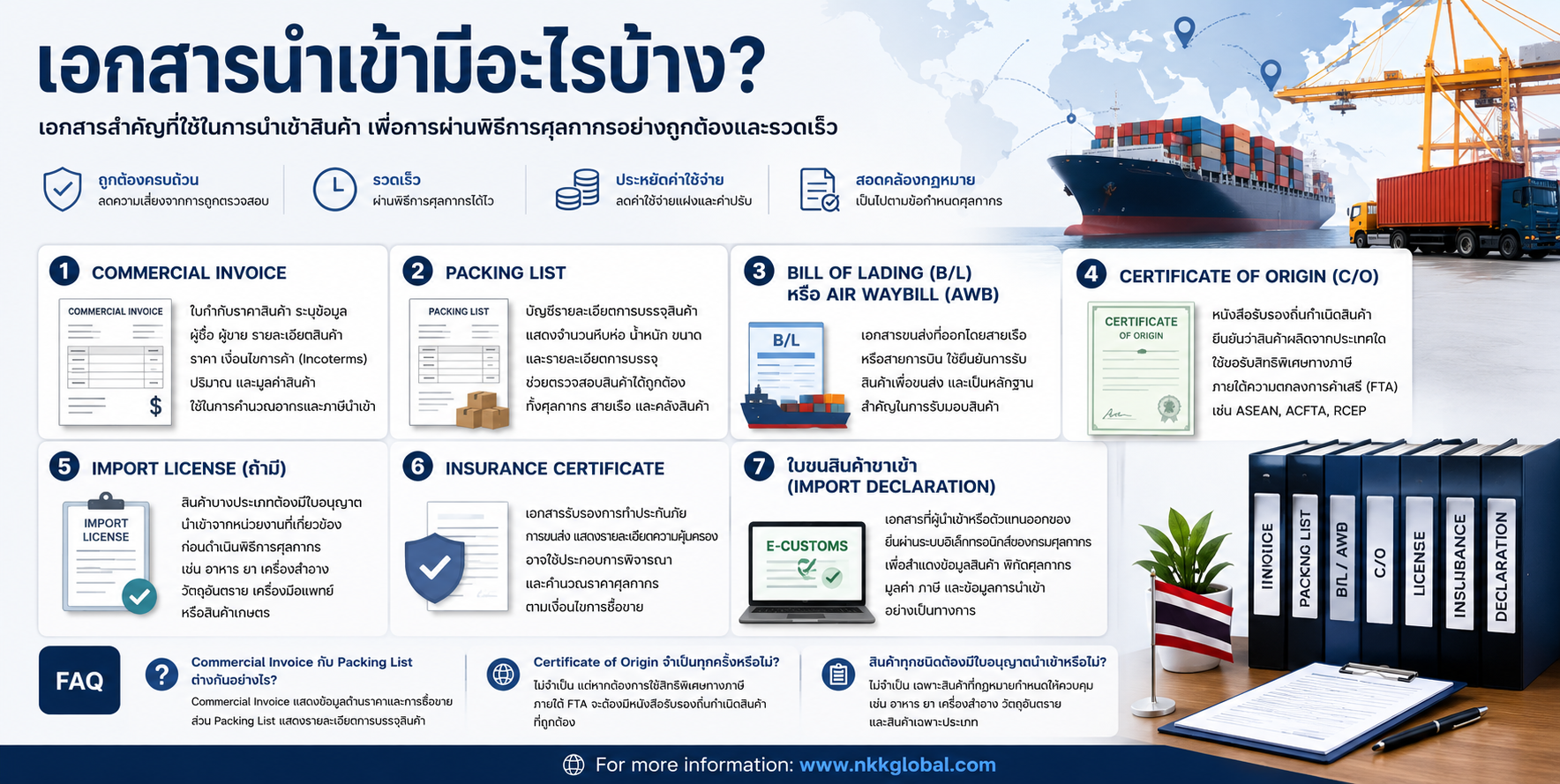
Typical documents include:
- Commercial Invoice
- Packing List
- Bill of Lading
- Air Waybill
- Certificate of Origin (if applicable)
- Insurance Certificate
- Import License (if required)
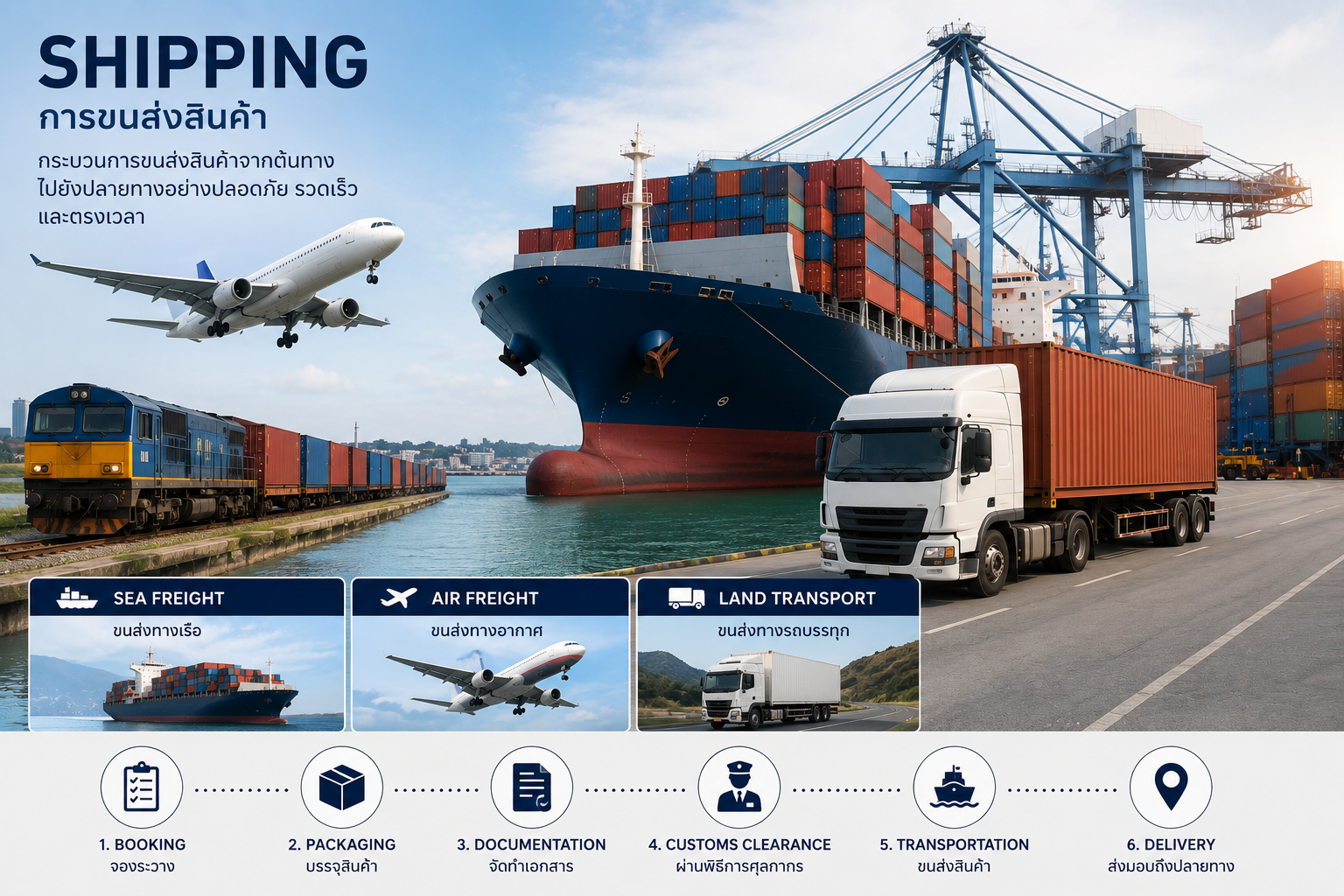
Step 4: Arrange International Transportation
Businesses may choose:
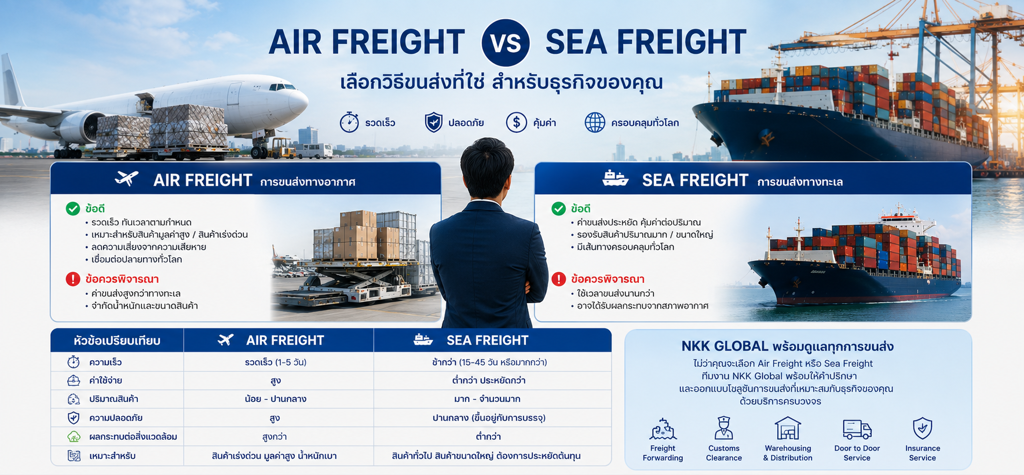
- Sea Freight
- Air Freight
- Rail Freight
- Cross-border Trucking
The transport mode depends on cost, transit time, cargo type, and urgency.
Step 5: Submit the Import Declaration
Thailand's Customs Department requires import declarations to be submitted electronically through the e-Customs/e-Import system. After successful validation, an import declaration number is issued for customs processing.
Step 6: Pay Duties and Taxes
Import charges may include:
- Import Duty
- Value Added Tax (VAT)
- Excise Tax (where applicable)
- Other statutory fees
The payable amount depends on the Customs Value (CIF), HS Code, and any applicable FTA privileges.
Step 7: Customs Inspection and Cargo Release
Customs may conduct:
- Documentary inspection
- Physical cargo inspection
- X-ray examination
- Joint inspections with other government agencies
Once all requirements are fulfilled, the cargo can be released.
Step 8: Inland Delivery
After customs clearance, goods can be transported to:
- Warehouses
- Distribution centers
- Manufacturing facilities
- End customers
Conclusion
The import process into Thailand involves customs compliance, documentation, tax payment, and coordination among multiple stakeholders. Proper preparation helps businesses improve efficiency, avoid delays, and ensure regulatory compliance.
For more information about international logistics, customs clearance, and import/export procedures, please visit:
Lastest Knowledge Article
What Documents Are Required for Import?
21 July 2026
Import Process to Thailand: Step-by-Step Guide
21 July 2026
What Is Door to Door Shipping?
20 July 2026
FOB vs CIF vs EXW: What's the Difference?
20 July 2026
LCL vs FCL
20 July 2026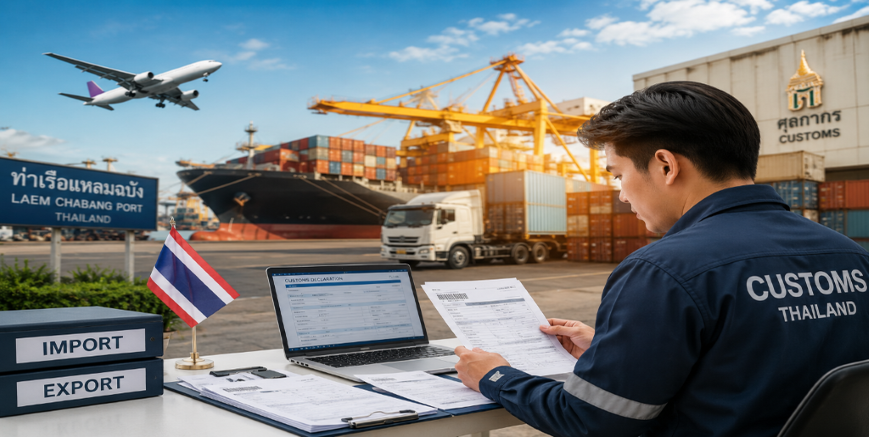
What is a Customs Broker?
20 July 2026