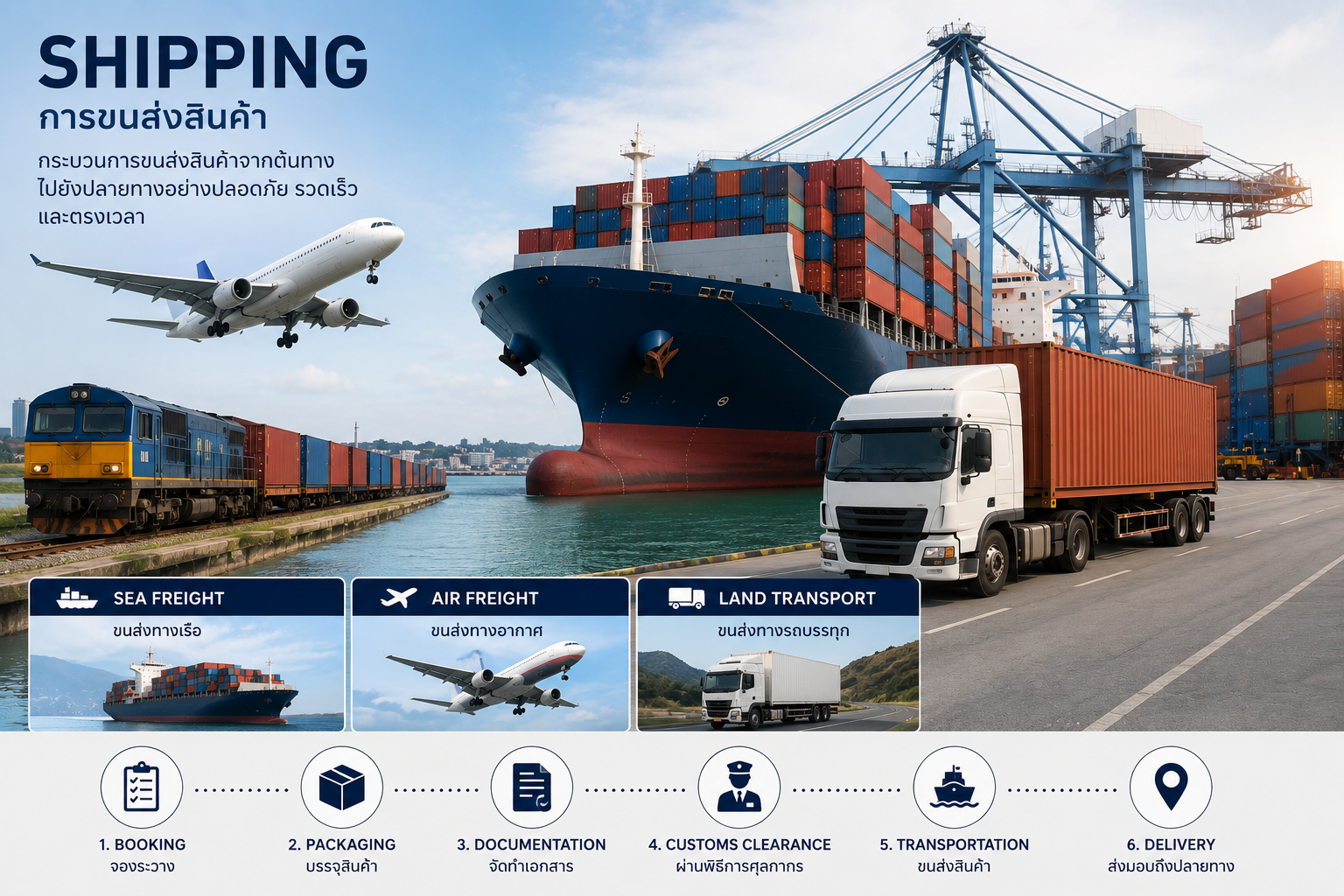
What Documents Are Required for Import?
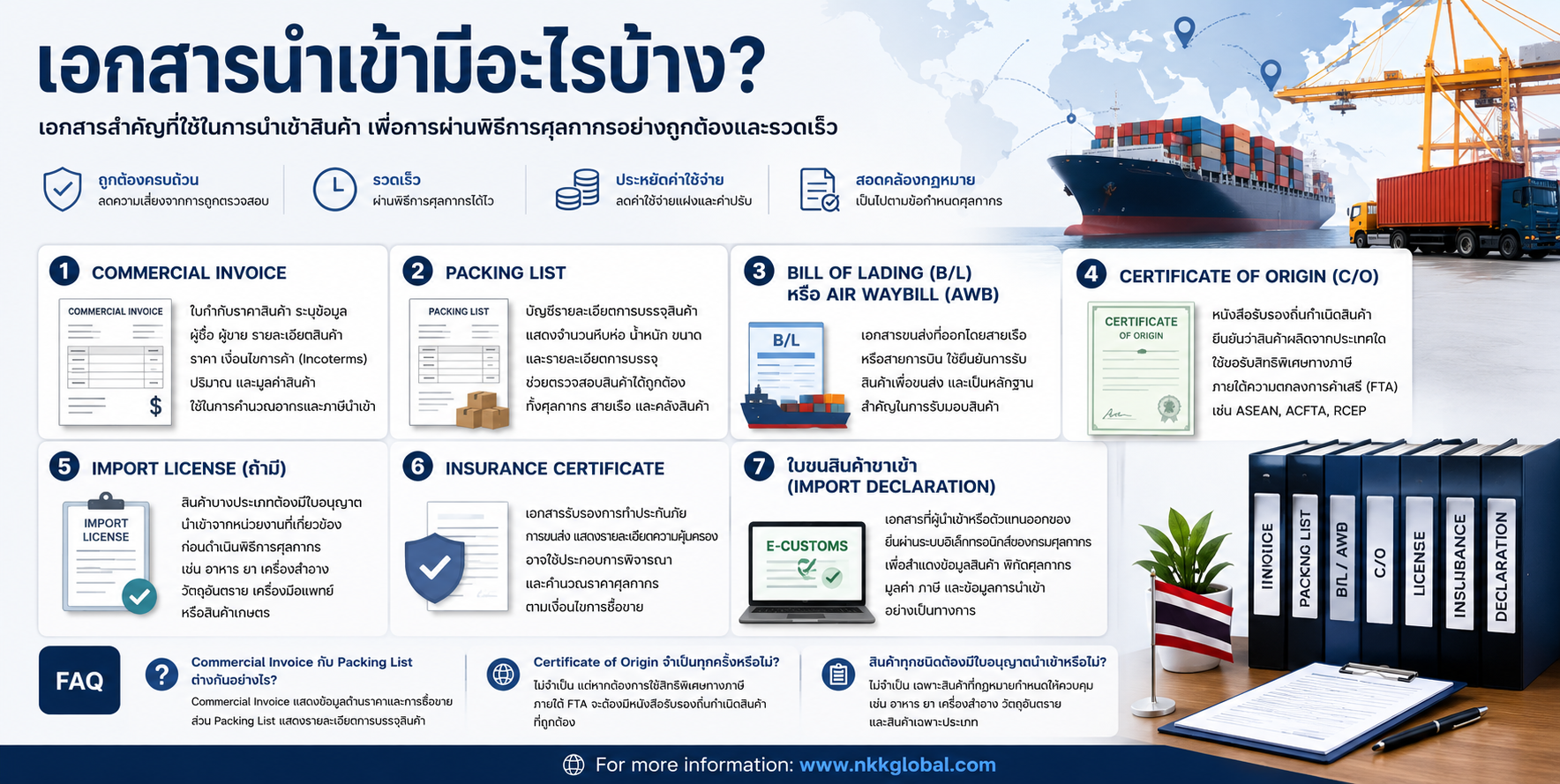
What Documents Are Required for Import?
What Documents Are Required for Import?
International trade requires accurate documentation to ensure goods comply with customs regulations and can be released without unnecessary delays. Import documents provide customs authorities with information about the shipment, its value, origin, transportation, and regulatory compliance.
The following documents are commonly required when importing goods.
1. Commercial Invoice
The Commercial Invoice is the primary document used to determine the customs value of imported goods. It contains details of the buyer, seller, product description, quantity, unit price, total value, currency, and applicable Incoterms.
2. Packing List
A Packing List provides detailed information about how the goods are packed, including the number of packages, dimensions, gross weight, net weight, and packing method. It assists customs officers, freight carriers, and warehouse operators during cargo inspection.
3. Bill of Lading (B/L) or Air Waybill (AWB)
These transport documents are issued by the shipping line or airline. A Bill of Lading is used for ocean freight, while an Air Waybill is used for air freight. They serve as evidence that the carrier has received the cargo for transportation.
4. Certificate of Origin (C/O)
A Certificate of Origin certifies the country where the goods were manufactured. It is often required to claim preferential tariff treatment under Free Trade Agreements (FTAs) such as ASEAN, ACFTA, or RCEP.
5. Import License (If Required)
Certain products—including food, pharmaceuticals, cosmetics, medical devices, hazardous substances, and agricultural products—may require an import license issued by the relevant government authority before customs clearance.
6. Insurance Certificate
If cargo insurance has been arranged, the Insurance Certificate provides evidence of coverage and may be required when determining the customs value under certain trade terms.
7. Import Declaration
The Import Declaration is submitted electronically by the importer or customs broker to customs authorities. It contains official information regarding product classification (HS Code), customs value, duties, taxes, and shipment details.
Frequently Asked Questions
What is the difference between a Commercial Invoice and a Packing List?
A Commercial Invoice contains pricing and commercial information, while a Packing List focuses on packaging, dimensions, and cargo details.
Is a Certificate of Origin always required?
Not always. It is primarily required when claiming preferential tariff treatment under an applicable Free Trade Agreement.
Do all imported products require an Import License?
No. Import licenses are only required for products regulated by specific government agencies.
For more information about import procedures, export regulations, and customs clearance, please visit:
Lastest Knowledge Article
What Documents Are Required for Import?
21 July 2026
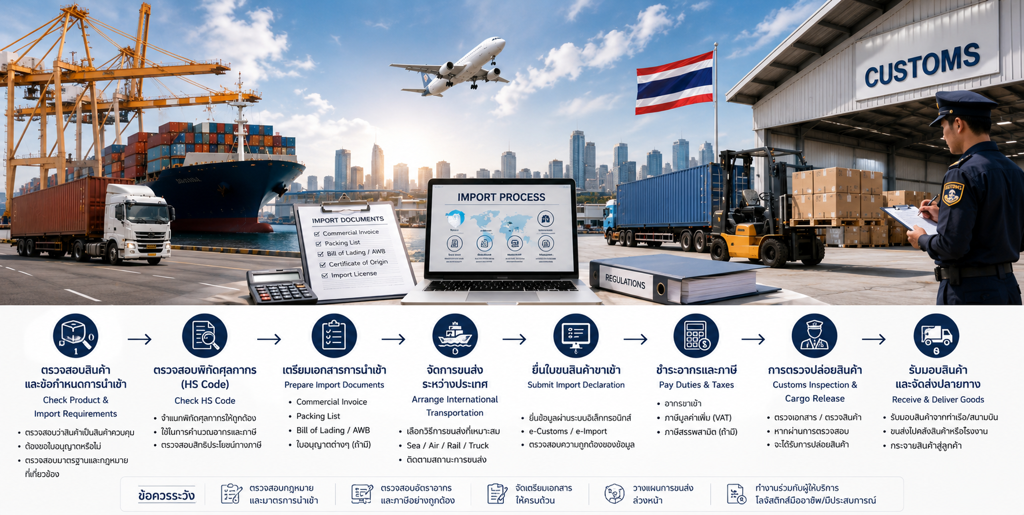
Import Process to Thailand: Step-by-Step Guide
21 July 2026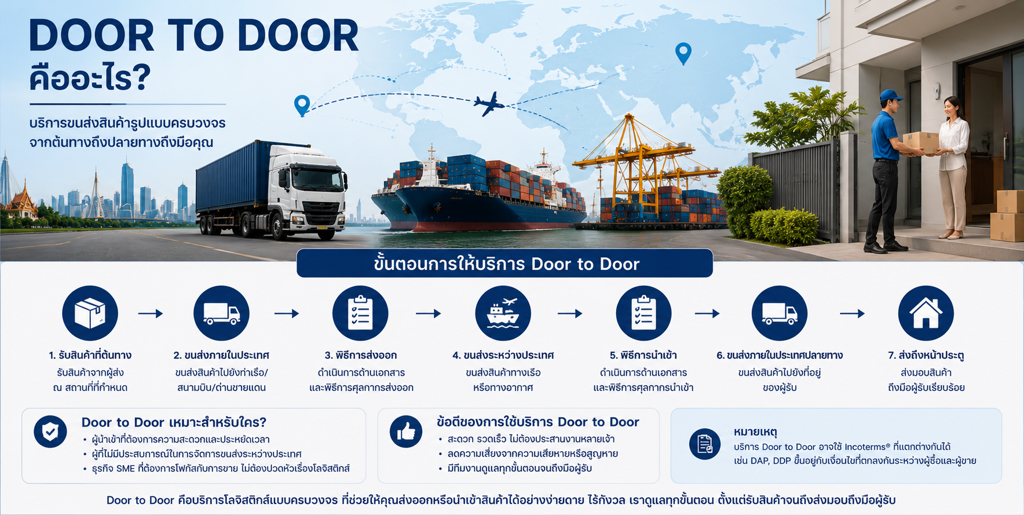
What Is Door to Door Shipping?
20 July 2026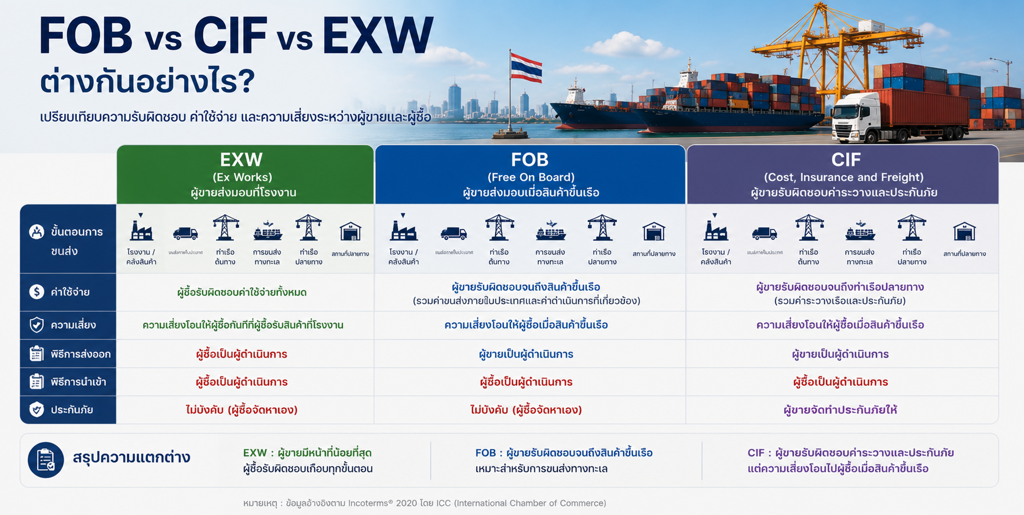
FOB vs CIF vs EXW: What's the Difference?
20 July 2026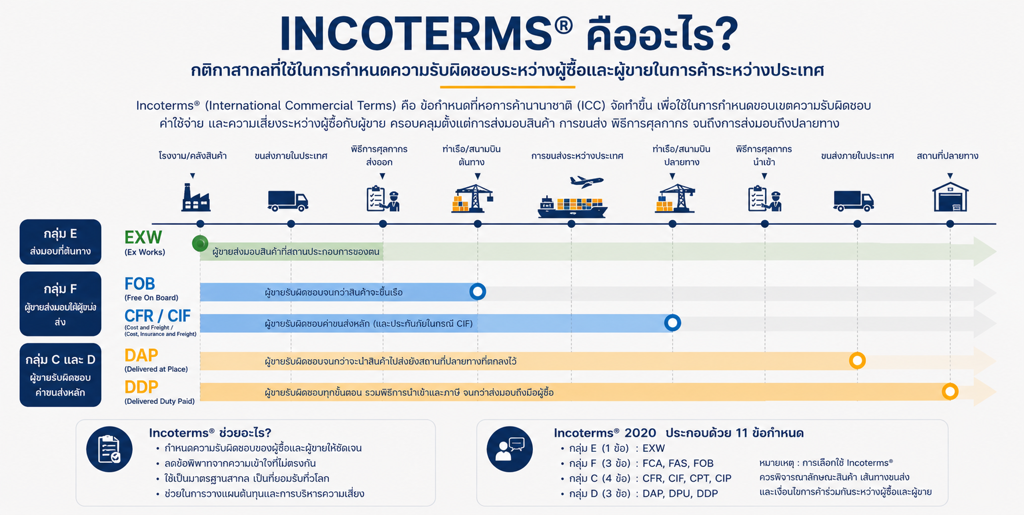
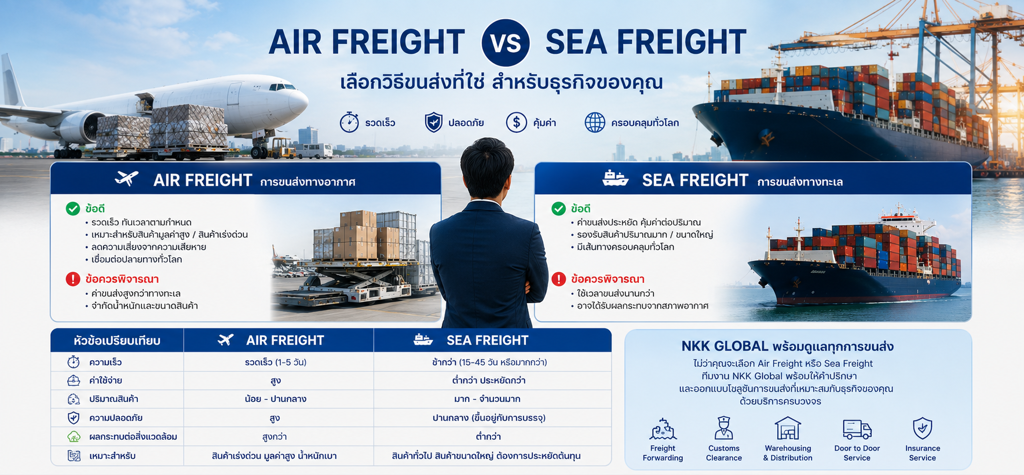
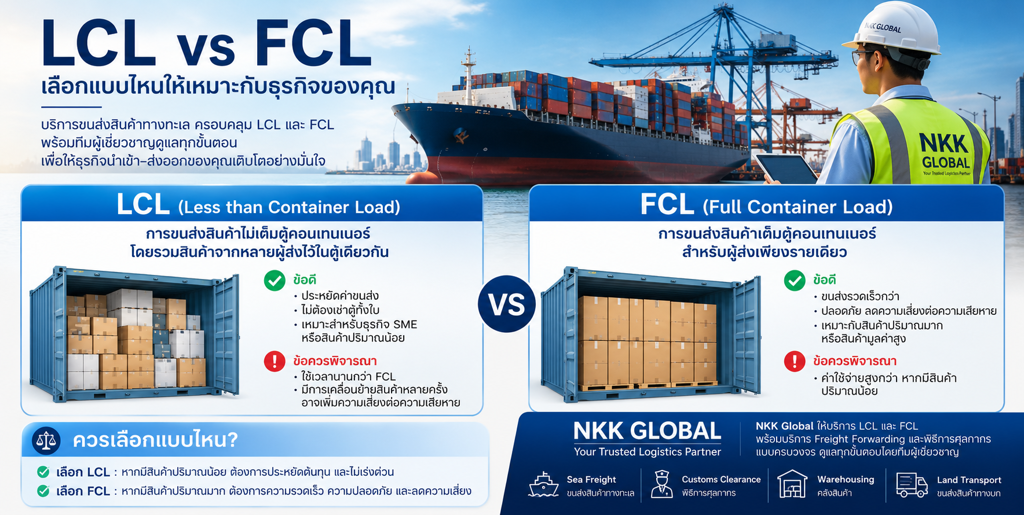
LCL vs FCL
20 July 2026
What is a Customs Broker?
20 July 2026